Euro
Euro
 British Pound


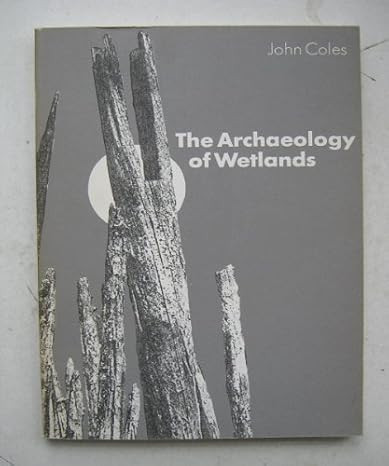
Product Description
Paperback, 1985. University of Edinburgh Press.
Given that archaeology depends on material evidence, it
is odd that so little systematic attention has been paid to
the processes which condition its survival. This is
especially pertinent to prehistory, the communities of
which, like those studied by ethnologists in territories
marginal to the industrial world, relied to a large extent on
perishable organic materials for their dwellings and the
equipment they needed for domestic purposes, for the
food quest, and not least for the enactment of cults. Such
are only likely to survive under conditions which have
served to inhibit or at least retard the process of decay. In
the temperate zone, to which this book is restricted, traces
of things made from organic substances may sometimes
be recovered as a result of adventitious circumstances.
Fires may leave carbonized residues or imprints in clay,
salt may serve to conserve perishable substances and
likewise the surface decay of metal objects may preserve
the weave of textiles. A far more important source are the
waterlogged depositsof the wetlands to which this book is
devoted.