Euro
Euro
 British Pound


Product Description
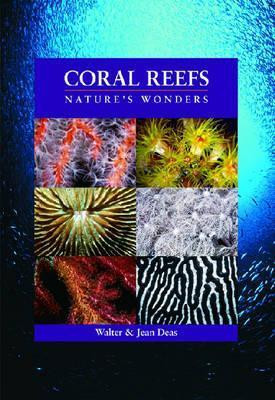
An introduction to the coral reef biology and ecology in a full-color identification guide to the better-known corals of the Pacific, Indian and Atlantic.
Corals have for too long been regarded as interesting natural mementos, usually put on display on a shelf or in a glass cabinet, rather than as living animals, part of a captivating and delicately balanced ecological system. Today, scuba diving has provided a way for naturalists to study coral reefs as living ecological communities and for the sport diver to recognise many corals that were only known as dead display specimens.
True reef-building corals are limited in geographical distribution to the clear, warm sunlit waters of the tropical oceans. There are countless reefs throughout the Indo-Pacific region and Australia’s Great Barrier Reef is the largest, and most spectacular, coral reef province in the world. About 2000 kilometres long and located on Queensland’s continental shelf, it is made up of over 2900 individual coral reefs composed mainly of consolidated limestone debris formed from calcium carbonate with living corals on its surface. They vary in size, form and type, and the coral reef could be considered as the marine counterpart of a tropical rain forest.
Other barrier reefs are located in the Pacific, Indian and Atlantic oceans, but most of these are much smaller.
Coral Reefs – Nature’s Wonders provides an introduction to the coral reef biology and ecology in a full-colour identification guide to the better-known coral genera of this region. It will take you into the tranquil underwater world of subdued sunlight, living coral colonies, brilliantly coloured fishes, sponges, algae, cowries and giant clams. It is this combination of marine life that gives the coral reefs their mystique.
This book brings home to us the fragility of the whole coral community in its exposure to danger, not only from adverse sea and weather conditions, but also from other inhabitants of the marine environment. Hopefully it will help us appreciate the need to conserve and protect the world’s coral reefs.
This book is second hand, and while you may not get the same publication/version/reprint/edition shown in the picture it will be the same author and title.
Removing existing stickers from a second hand book may damage it, so we refrain from doing so.
Even if the picture shows no price stickers on the book they may be there on the copy you receive.
All of our books are in very good condition.
Please be aware that there will be a sticker with an identifying number on the spine of this book.